

Welcome to our blog, your go-to resource for the latest insights and trends in the life sciences industry.
Our blog is designed to provide expert guidance, practical tips, and thought leadership on key areas like medical device development, digital health, and clinical trial optimization. We cover a wide range of topics, including decentralized clinical trials (DCTs), the integration of digital health technologies (DHTs) in DCTs, and the use of Platform as a Service (PaaS) in medical device software development, to help you navigate the complex intersection of innovation and regulation. Our goal is to keep you informed and equipped with the knowledge needed to overcome industry challenges, drive innovation, and succeed in the rapidly advancing life sciences sector. Explore our blog for in-depth insights and the latest developments, and feel free to reach out if you need further assistance.
Categories:
- BYOD
- Clinical Research
- Cybersecurity & privacy
- Data Integrity
- Device Validation & Usability
- Digital Health
- Digital Health Technologies
- Digital health Technology
- Digital Transformation
- General
- Innovation
- Logistics
- MDR
- Medical Device Software Development
- Medical Devices
- Quality Management
- Regulatory
- Risk-Based Quality Management
- Usability
- Usability Testing
- Validation
- Wearables
“It’s Just a Phone”
Did you know a consumer smartphone can trigger four separate regulatory frameworks the moment it touches a clinical endpoint?
"Why do so many sponsors fail inspection on something they didn't think was a device?"
"Is your Regulatory Impact Assessment already out of date?"
"What does an inspector actually ask when they see a smartphone in your protocol?"

BYOD/eCOA in 2026: Timestamp Drift, Part 11/GDPR, and Audit Trails No One Wants to Own
What is “timestamp drift,” and how can a few minutes of clock deviation invalidate your eCOA endpoint data?
Who actually owns the audit trail when participants, vendors, CROs, and sponsors all touch the data—but no one holds the full record?
How do Part 11 and GDPR collide in BYOD trials—and why does treating them as separate problems make both worse?
Could your eCOA vendor’s cloud routing create a cross-border GDPR violation you do not even know about?
What does a defensible pre-study BYOD governance plan look like—and why are most sponsors still building theirs after the inspection is announced?

Are Consumer Devices (e.g. Fitbits, …) Compliant for Endpoint Data Collection?
Can consumer wearables like Fitbits generate regulatory-grade clinical trial data?
What risks arise when sponsors use consumer devices for endpoint collection?
How do regulators distinguish between wellness and medical use in trials?
What validation strategies make consumer devices acceptable for DHT endpoints?
Will future trials see broader adoption of consumer-grade wearables?
The May 2026 EUDAMED Deadline: What It Means for Digital Health Technologies in Clinical Trials
Is your wearable sensor registered in EUDAMED — and does it need to be before 28 May 2026?
What happens to your EU clinical trial if the device manufacturer doesn't have a Single Registration Number?
Does your SaMD vendor know that EUDAMED registration is now a prerequisite for CE marking?
Are you prepared for the Clinical Investigations module to go mandatory with zero voluntary phase?
Could your next GCP inspection flag a EUDAMED registration gap you didn't know existed?

From Compliance Burden to Competitive Edge: Why DHT-Ready Trials Win Faster Approvals
Why do some DHT-enabled trials clear regulatory review 3–6 months faster than others?
Is your compliance programme actually adding time to your timelines—or removing it?
Could stronger digital governance be your fastest route to regulatory approval?
Are your digital endpoints reducing uncertainty—or creating it?
Do regulators trust your DHT data before they even analyse it?

Fit-for-Purpose or Bust: A Real-World Rubric for DHT Verification, Validation & Usability
What makes a DHT truly “fit-for-purpose” in a clinical trial context?
How do verification and validation differ—and why does it matter?
What role does usability play in maintaining data integrity?
How can sponsors implement a risk-based approach to DHT qualification?
Which real-world lessons show how validation failures can derail trials?

Reverse Logistics: Recovering DHTs Without Breaking Data Chains
How can sponsors eliminate “data breaks” across global DHT logistics networks?
What are regulators expecting in traceability documentation under MDR and GCP?
How can validated device reuse align with sustainability goals?
What role does blockchain play in improving audit traceability?
How do logistics systems influence data integrity in decentralized trials?

Meet the New Digital Health Reality: How to Make Your DHT Trials Regulator-Ready in 2026
Will your digital endpoints still hold up under regulatory scrutiny in 2026?
Could you explain your DHT data pipeline to an inspector—without guessing?
Are your algorithms governed as medical instruments or treated like IT tools?
Do you know which regulatory roles your organization already holds globally?
Is your QMS built for digital evidence—or for a pre-DHT world?
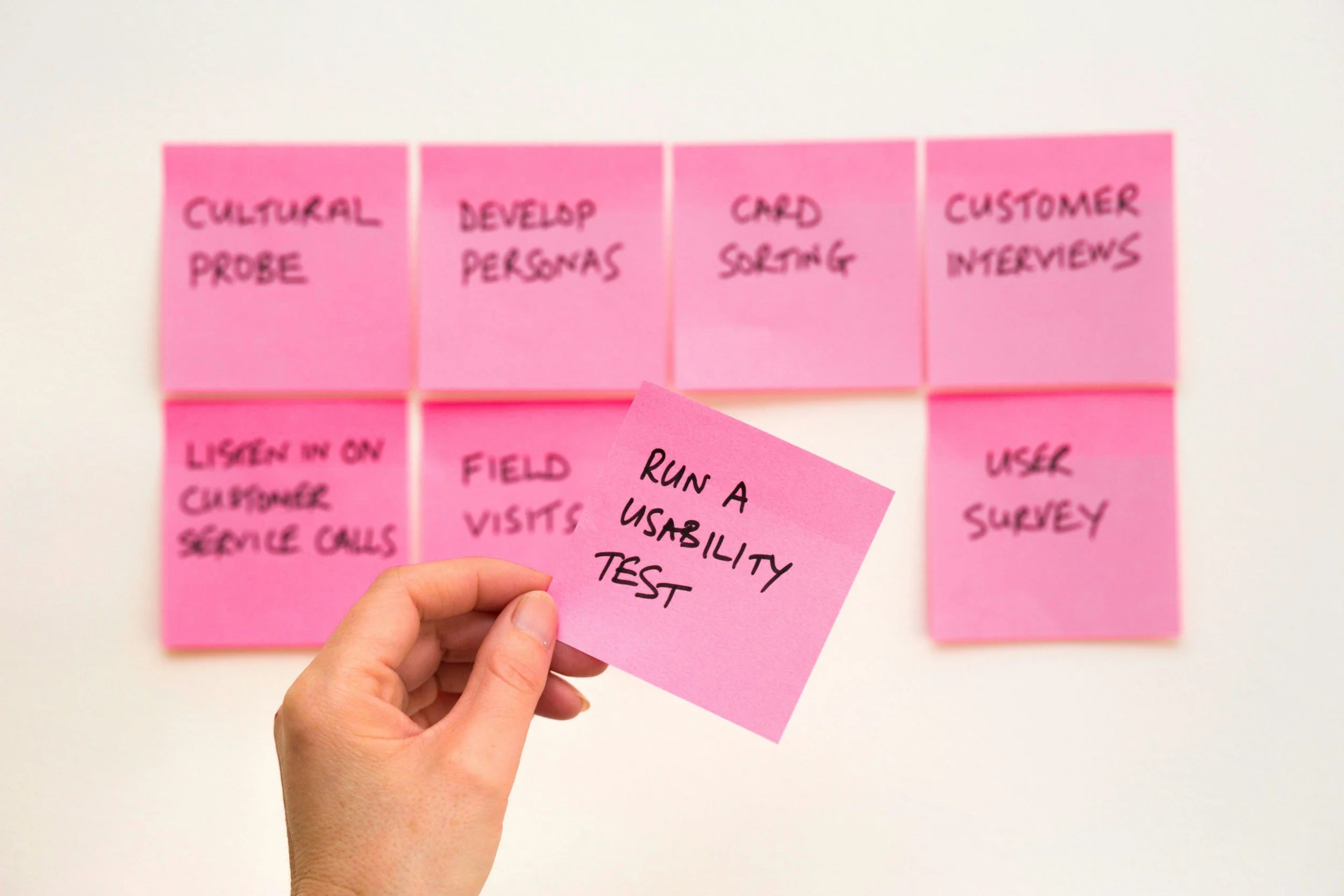
Best Practices for Usability Testing in DHTs
What makes usability testing a regulatory requirement for DHTs?
How can poor usability compromise data integrity in decentralized trials?
What are the most effective methods for formative and summative usability testing?
How can sponsors ensure inclusivity and accessibility in usability testing?
How does usability engineering align with ISO 14971 risk management?

Sponsor Oversight of Digital Health Technologies in Decentralized Clinical Trials: A Regulatory Guide.
How do sponsors avoid becoming “accidental manufacturers” when deploying wearables in trials?
What happens if a consumer-grade DHT fails to meet regulatory validation standards mid-trial?
Why does FDA treat DHT oversight in drug trials with the same rigor as device investigations?
How can poor sponsor oversight of DHTs derail regulatory submissions and cause trial failure?
What practical frameworks exist to help sponsors manage DHT responsibilities across borders?

Quality-by-Design for DCTs: Turning FDA’s DHT Framework Into an Inspection-Ready Reality
Could your digital endpoints survive if an FDA inspector asked you to “show how this was generated”?
Are your device, algorithm, and data teams aligned—or are they assuming someone else is handling the risk?
Do your SOPs actually support decentralized trials, or are they relics from the site-centric era?
Would your DHT data hold up across review divisions, or would firmware drift and missing lineage collapse your evidence?
Is your organization prepared for the roles it already holds—sponsor, architect, system producer, and regulated partner?
The 2024 FDA DCT Guidance Decoded: 9 Operational Traps Sponsors Still Fall Into
What hidden operational traps are still tripping sponsors under the 2024 FDA DCT guidance?
How can sponsors maintain investigator oversight across decentralized models?
Why does device validation remain a recurring inspection finding?
What data integrity gaps most concern regulators in decentralized trials?
How can operational alignment with FDA guidance accelerate study approvals?

When a Digital Health Tool Becomes a Medical Device: The Hidden Regulatory Roles No One Told You About
If your digital health tool is already collecting endpoint data, are you absolutely sure regulators don’t see it as a medical device?
Who’s carrying the legal liability for your connected device right now—the manufacturer, the sponsor, or… you?
When your next trial audit lands, will your documentation prove compliance—or just prove confusion?
How confident are you that your “wellness app” wouldn’t trigger MDR or FDA oversight if used tomorrow in a global study?
While others are quietly securing their regulatory status, are you still assuming “we’re not a medical device company”?